OEM vs. ODM Sex Toys: What’s the Difference for Buyers?
September 15, 2026
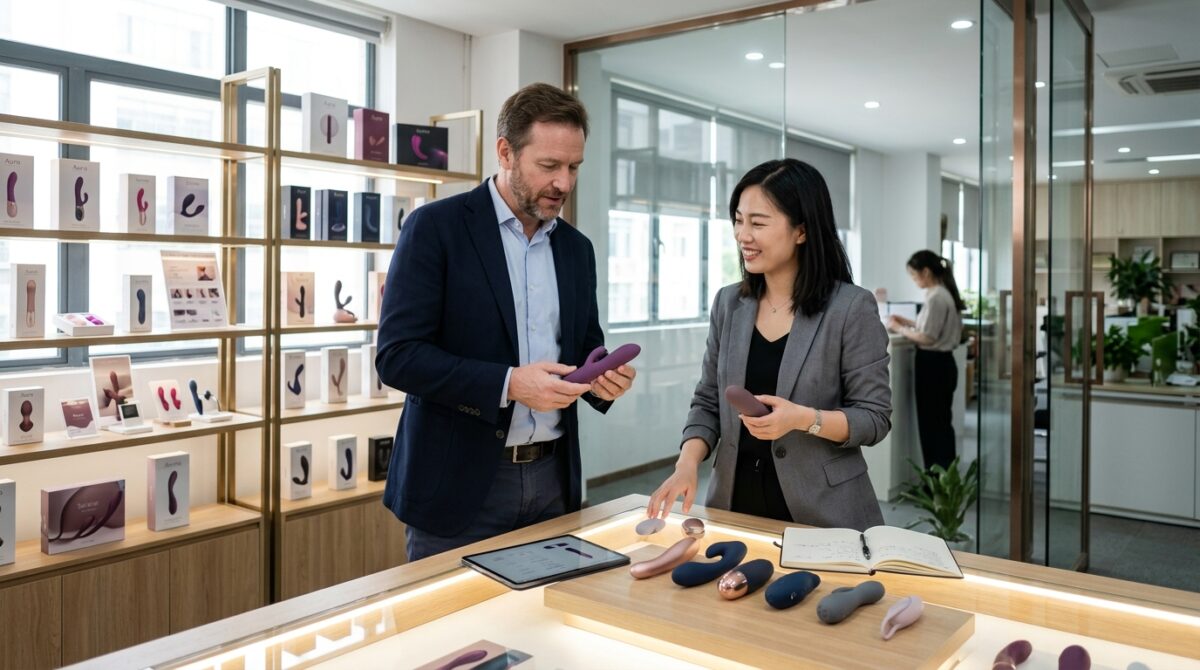
Launching an adult wellness brand does not necessarily mean developing a completely new product from the ground up. Private label manufacturing allows B2B buyers to start with an existing product and build their own branded product line through selected customization, packaging and positioning.
For retailers, distributors, e-commerce businesses and emerging brands, this can provide a faster and less complex route to market. But successful private label sourcing involves much more than simply adding a logo to a product.
What Are Private Label Sex Toys?
Private label sex toys are existing products manufactured by a supplier and sold under the buyer's own brand. Depending on the manufacturer and product, customization may include elements such as the logo, product color, packaging, user manual and other brand-specific details.
The main advantage is that the buyer does not need to develop an entirely new product before building a branded product line.
This makes private label particularly relevant for businesses that want to enter the adult wellness market, expand an existing assortment or test a new product category before investing in more extensive custom product development.
How Does Private Label Work at AIERSHA?
At AIERSHA, private label projects based on existing products are handled within our OEM service.
B2B buyers can select products from AIERSHA's existing catalog of more than 1,000 SKUs and customize them with their own brand identity. Depending on the selected product and project requirements, this can include:
- Your logo on the product
- Custom product colors
- Custom packaging
- Branded user manuals
- Product labels and barcodes
- Other available brand-specific customization
Because the underlying product and production process already exist, this approach provides a faster and lower-risk route to market than developing a completely new product.
For buyers, it is important to understand this terminology when discussing a project with AIERSHA: private label customization of existing AIERSHA products falls within our OEM service, while ODM is used for the development of a new exclusive product from the buyer's concept.
AIERSHA OEM, ODM and Wholesale at a Glance
| Service | Starting Point | Customization | Typical Use |
|---|---|---|---|
| Wholesale | Existing ready-to-sell AIERSHA products | No customization | Distributors, retail chains and importers |
| OEM / Private Label | Existing AIERSHA product catalog | Logo, color, packaging and branding | New brands, market testing and branded product lines |
| ODM | Buyer's own product concept | Full product development | Established brands and differentiated products |
OEM and ODM terminology can vary between manufacturers. The definitions above describe how AIERSHA structures its B2B manufacturing services.
If you want to understand AIERSHA's OEM and ODM models in more detail, read our guide: OEM vs. ODM Sex Toys: What's the Difference for Buyers?
Why Do B2B Buyers Choose Private Label?
Private label can reduce some of the barriers associated with launching a new adult wellness product line.
Instead of beginning with industrial design, engineering and new tooling, buyers can evaluate existing products with established manufacturing processes and focus their investment on branding, positioning and market entry.
Potential advantages include:
- Faster time to market
- Lower development complexity than a fully custom product
- Ability to test a category before investing in new product development
- Own branding and retail presentation
- Access to established manufacturing processes
- Opportunity to build a consistent branded collection
- Lower development risk compared with creating a new product from scratch
However, private label should not be confused with simply choosing the cheapest available product. Product quality, positioning, packaging, documentation and supplier capability still determine whether the final product is suitable for the intended market.
How Much Can a Private Label Sex Toy Be Customized?
Customization can range from simple branding to a more complete branded retail presentation.
For AIERSHA OEM/private label projects, the starting point is an existing product from the company's catalog. The exact customization possibilities depend on the selected model and order requirements.
1. Logo & Branding
The first level of customization is adding the buyer's brand identity to an existing product.
This may include:
- Logo application
- Product labeling
- Barcodes or SKU information
- Branded user manuals
- Packaging inserts
2. Product Colors
Depending on the product and production requirements, custom colors can help differentiate an existing model and create a more consistent brand identity.
3. Custom Packaging
Packaging can transform an existing product into a distinctive branded retail offer.
Options may include:
- Custom printed retail boxes
- Gift packaging
- Branded inserts
- Multilingual manuals
- Product labels
- Barcodes and retail information
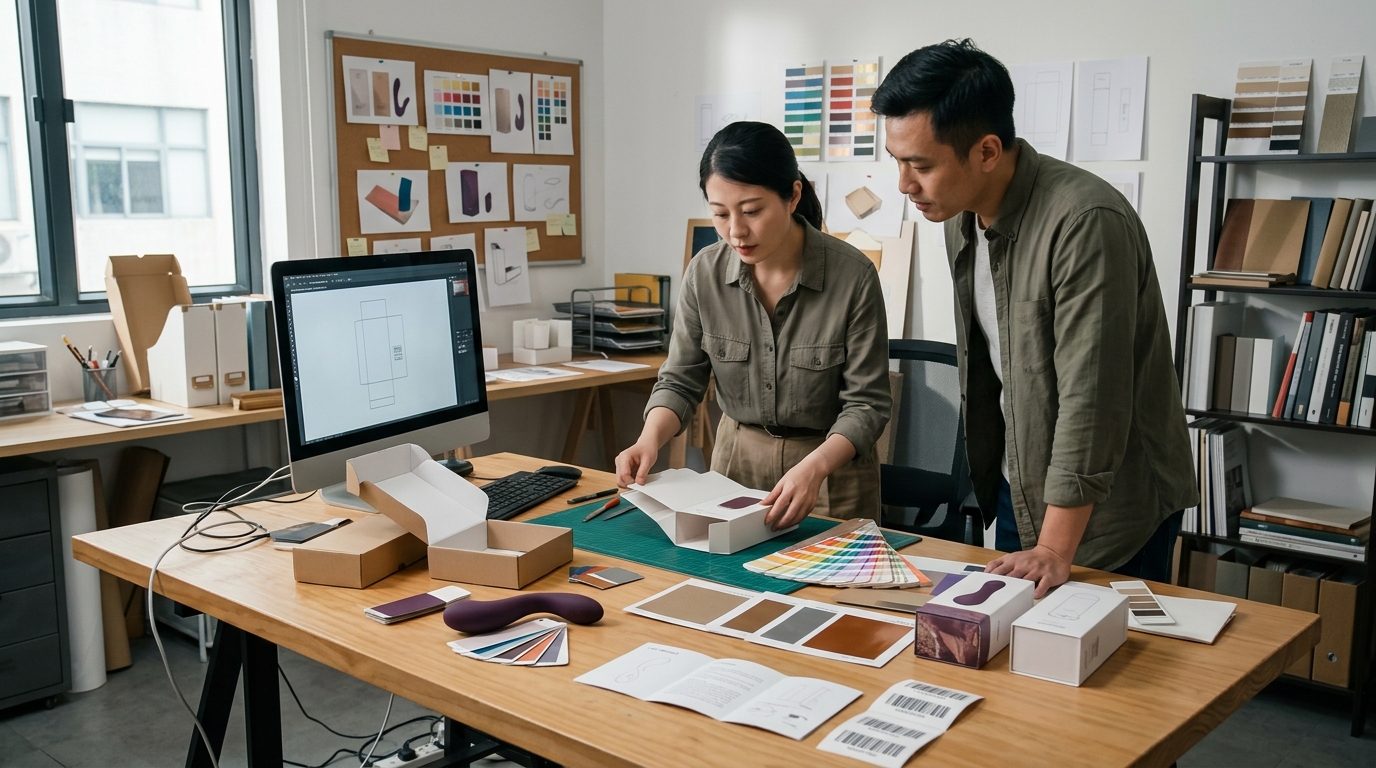
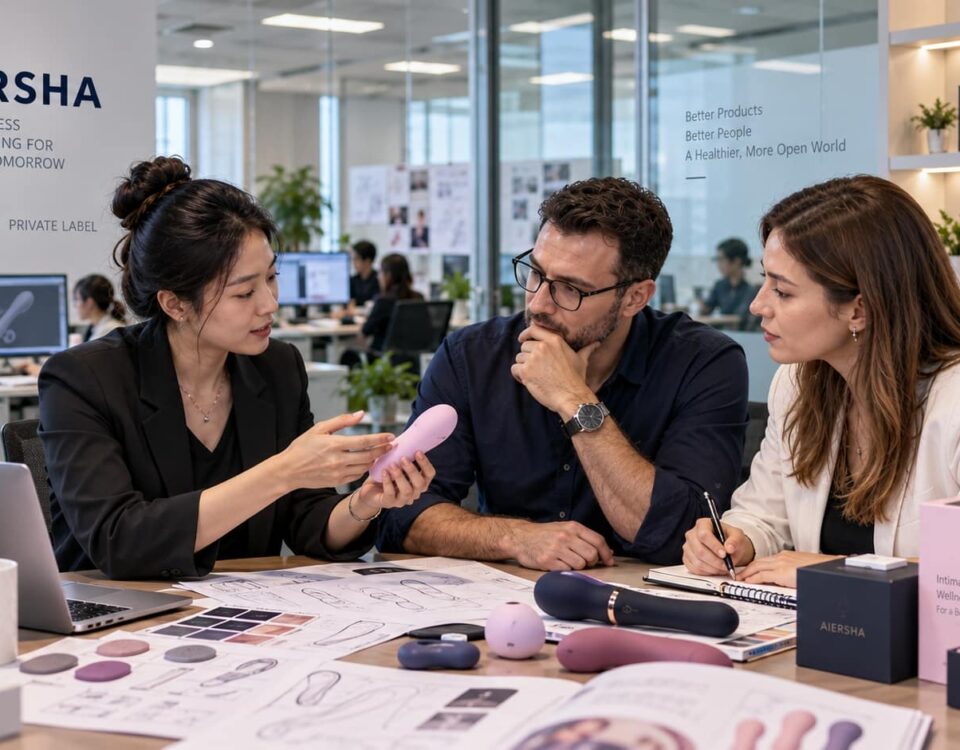
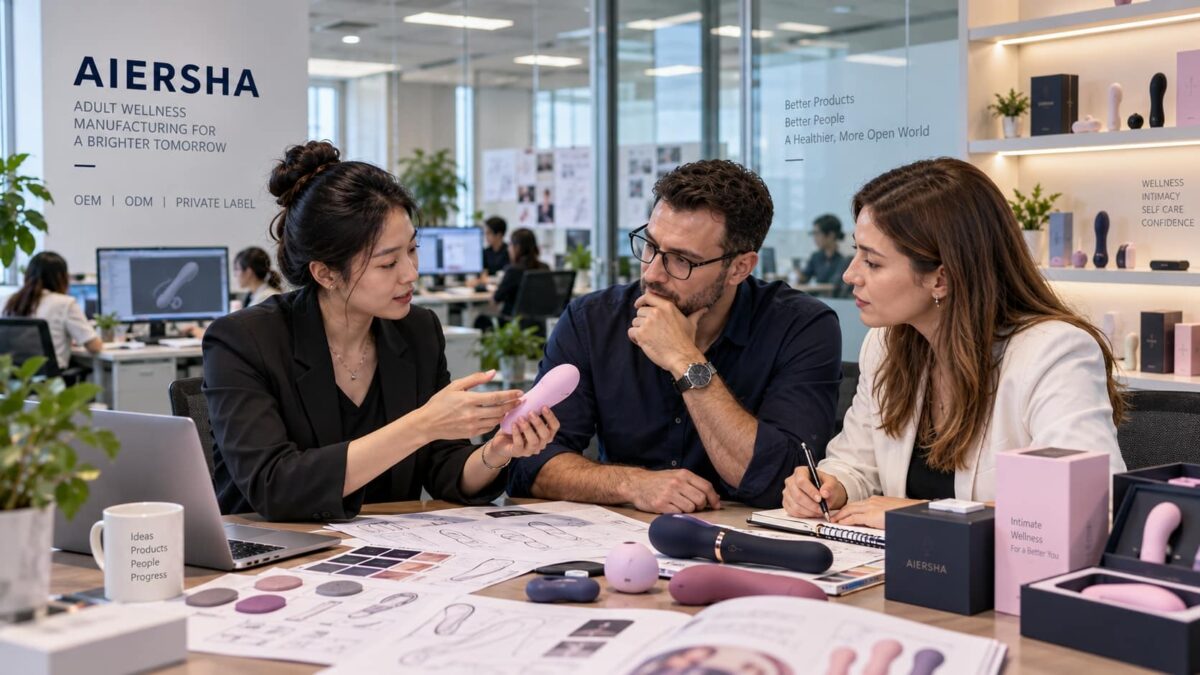
Colors, packaging and brand identity can transform an existing product into a distinctive private label collection.
4. When Customization Becomes Product Development
If a buyer requires a completely new shape, function, structure, firmware, app or other major technical changes, the project may no longer fit AIERSHA's standard OEM/private label model.
In that case, an ODM project may be more appropriate. AIERSHA's ODM service starts with the buyer's concept and can include industrial design, 3D modeling, prototyping, engineering, tooling, exclusive molds, firmware and app development.
This creates a practical progression for growing brands:
Wholesale → OEM / Private Label → ODM Custom Development
What Is the MOQ for AIERSHA Private Label Products?
MOQ stands for Minimum Order Quantity.
For AIERSHA's OEM service, which includes private label customization of existing products, the typical MOQ is 500–1,000 pieces.
However, buyers should not assume that every customization element automatically has exactly the same minimum quantity.
MOQ can also be influenced by:
- Selected product
- Logo application method
- Custom product color
- Packaging requirements
- Printed manuals and inserts
- Components or accessories
- Order configuration
For this reason, the exact MOQ should always be confirmed for the individual project.
How Long Does an AIERSHA OEM / Private Label Project Take?
AIERSHA lists a typical overall lead time of approximately 35–50 days for OEM projects, depending on the project requirements.
The standard process includes:
- Product Selection: Select suitable products from the existing AIERSHA catalog.
- Branding Confirmation: Define logo, brand colors and packaging requirements.
- Sample Production: Produce branded samples for evaluation and approval.
- Mass Production: Manufacture the confirmed order with branding, packaging and labeling.
- Quality Control & Shipping: Complete final inspection, function testing and shipment preparation.
Actual timing depends on the selected product, customization, packaging and logistics requirements, so buyers should confirm the project schedule before planning a fixed launch date.
How Should You Choose Products for a Private Label Brand?
One of the most common mistakes is starting with a large product catalog and asking: “Which products should I sell?”
A better approach is to start with the market.
Before selecting products, define:
- Target country or region
- Target customer
- Sales channel
- Retail price range
- Brand positioning
- Expected first-order quantity
- Main competing products
A premium specialist retailer, an online marketplace seller and a distributor supplying physical stores may need very different products even if they operate within the same category.
Product selection should therefore follow the commercial strategy rather than the other way around.
Why Packaging Matters More Than Many Buyers Expect
Packaging is not simply the container used to ship a product.
For a private label brand, packaging communicates positioning, explains product functions and creates one of the first physical interactions between the customer and the brand.
Before approving packaging, B2B buyers should consider:
- Brand identity and visual consistency
- Retail or e-commerce requirements
- Product protection
- Languages required for the target market
- Instructions and warnings
- Barcodes and product identification
- Packaging materials
- Outer carton requirements
- Applicable destination-market requirements
Packaging should therefore be discussed early in the project rather than treated as a final design task after the product has already been ordered.
Should You Order Samples Before a Private Label Production Run?
Yes. A physical sample is one of the most important steps before approving a private label production order.
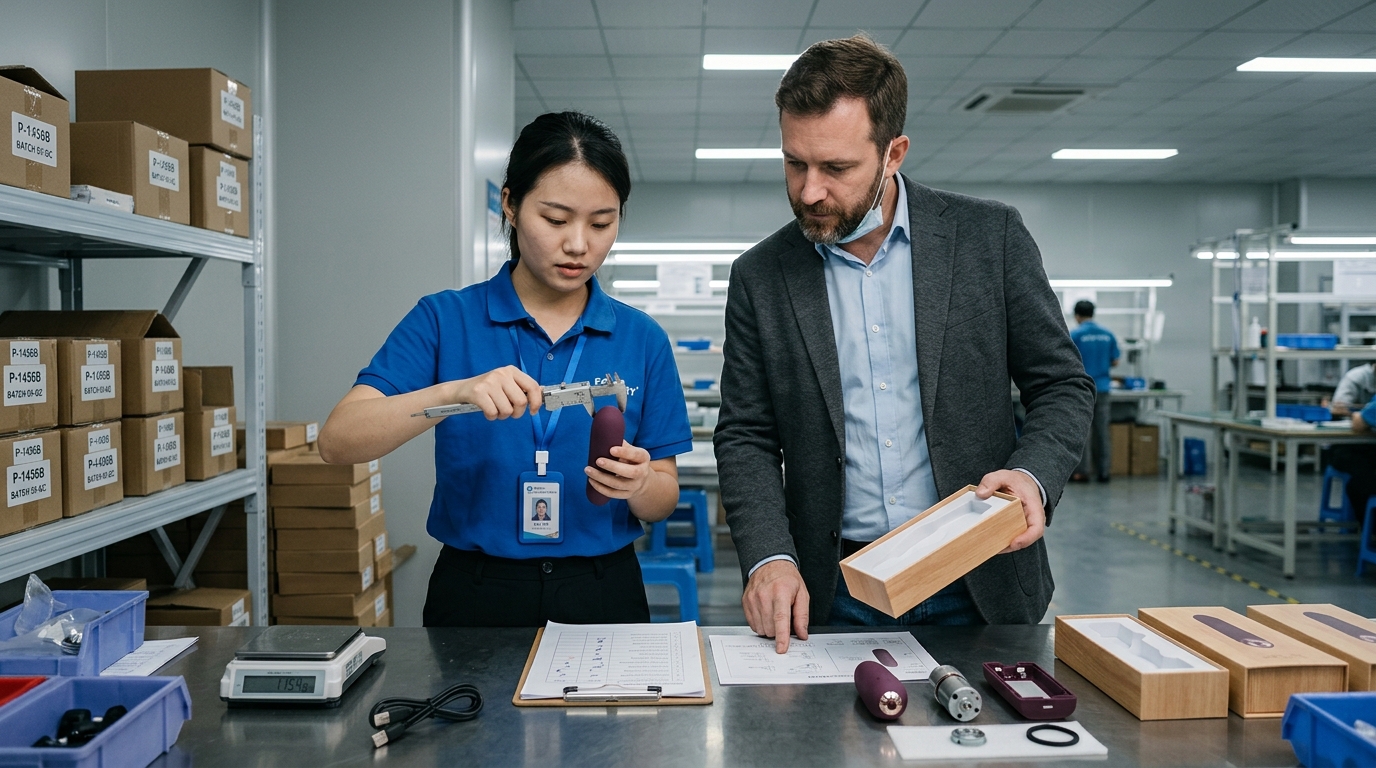
Sample evaluation helps buyers verify product quality, functionality and presentation before mass production.
Photos, videos and specification sheets can help with initial product selection, but they cannot fully replace evaluating the actual product.
A buyer may want to evaluate:
- Material feel and finish
- Product dimensions and ergonomics
- Functions and controls
- Motor performance
- Noise level
- Charging system
- Logo appearance
- Color
- Packaging quality
- Instructions and accessories
For AIERSHA OEM projects, branded sample production is part of the defined process before mass production.
The buyer should verify that the sample and written specifications accurately represent what has been approved for production.
What Should Buyers Check About Materials and Quality?
Material descriptions should be specific enough for the buyer to understand what is actually being supplied.
Terms such as “premium material” or “high-quality silicone” should not replace relevant product specifications or documentation.
Depending on the product, buyers may need information about:
- Material type
- Surface finish
- Electronic components
- Battery specifications
- Charging system
- Water-resistance design
- Manufacturing consistency
- Available test reports or documentation
The relevant requirements can differ according to the product and destination market. Documentation should therefore be reviewed for the actual model being purchased rather than assumed to apply to an entire catalog.
Compliance Should Be Discussed Before Production
Compliance requirements depend on the product, its components and the market where it will be sold.
For example, an electronic rechargeable product may have different requirements from a simple non-electronic product.
B2B buyers should therefore tell the manufacturer where the product will be sold and ask which documents, test reports, labels and product information are available for the selected model.
Compliance should not be treated as a paperwork exercise that begins after mass production is finished.
Important: Buyers and importers should independently determine which legal and regulatory requirements apply in their destination market and verify supplier documentation against those requirements where necessary.
How Does an AIERSHA Private Label Project Work?
Because private label projects at AIERSHA are handled through the OEM service, the process begins with an existing product rather than developing a completely new one.
- 1. Select Products: Browse AIERSHA's existing catalog and identify models that fit your market, positioning and target price.
- 2. Confirm Branding: Provide your logo, brand colors and packaging preferences so that the branding requirements can be prepared for approval.
- 3. Sample Production: Branded samples can be produced with the agreed logo, packaging and user manual for evaluation.
- 4. Mass Production: After approval, the order moves into full-scale manufacturing with the confirmed branding and packaging requirements.
- 5. Quality Control & Shipping: The finished production undergoes final inspection and function testing before shipment.
A clear brief at the beginning helps reduce unnecessary revisions, quotation changes and delays later in the project.
What Information Should You Send When Requesting a Private Label Quote?
A detailed inquiry helps the manufacturer evaluate the project and provide a more useful quotation.
Instead of sending only “Please send your best price,” include:
- Product or product category
- Destination country
- Expected quantity
- Preferred colors
- Logo requirements
- Packaging requirements
- Manual languages
- Required product documents
- Sample requirements
- Target launch date
- Shipping destination
If some details have not yet been decided, identify them as open questions. A professional B2B project does not require every answer on day one, but confirmed requirements and undecided elements should be clearly separated.
Common Private Label Mistakes to Avoid
Choosing a Product Only Because It Is Cheap
The lowest unit price does not necessarily produce the best retail product. Materials, product consistency, packaging, documentation, quality control and after-sales considerations should also be evaluated.
Launching Too Many SKUs
A large initial assortment can increase inventory risk and make branding, packaging and marketing more complex.
For a new brand, a focused collection can provide clearer information about which categories customers actually want.
Designing Packaging Before Confirming the Product
Packaging dimensions, inserts, accessories and required information depend on the final product specification. Final artwork should therefore follow product confirmation.
Skipping Sample Approval
A product that looks suitable in a catalog may feel or perform differently when physically evaluated. Sample approval provides an important checkpoint before mass production.
Assuming One Document Covers Every Product
Testing and documentation can vary by model, component and destination market. Buyers should verify what applies to the actual product being ordered.
Focusing Only on the First Order
A private label product should also make commercial sense if sales grow. Buyers should consider future quantities, additional colors, packaging versions, product extensions and whether deeper product development may eventually be required.
When Should a Private Label Brand Move from OEM to ODM?
AIERSHA's OEM/private label model can provide an efficient way to test demand using existing products before investing in the development of an exclusive product.
Moving toward ODM may become attractive when:
- A product category has proven demand
- The brand needs stronger differentiation
- Competitors offer similar existing products
- Customers are asking for specific functions or improvements
- Order volumes justify additional development investment
- The brand wants its own exclusive product design
- Custom firmware or app functionality is required
Under AIERSHA's service model, ODM can include product design from concept, 3D modeling, prototyping, engineering, tooling, exclusive mold development and, where required, custom firmware or app development.
This creates a logical growth path:
Wholesale → OEM / Private Label → Market Validation → ODM Development → Exclusive Product
Not every brand needs to progress through every stage. The right model depends on the company's market, budget, order volume and differentiation strategy.
Private Label Manufacturing with AIERSHA
AIERSHA supports B2B customers with OEM/private label, ODM and wholesale solutions for adult wellness products.
For private label projects, buyers can select from AIERSHA's existing product catalog and discuss branding options such as logo application, custom colors, packaging and user manuals.
Brands that require a completely new and exclusive product can instead discuss an ODM development project with AIERSHA's R&D team.
Frequently Asked Questions About Private Label Sex Toys
AI Transparency: This article was created with the assistance of artificial intelligence and reviewed and edited for accuracy and relevance by AIERSHA.
Ready to Build Your Private Label Product Line?
Tell AIERSHA about your target market, selected product category, expected order quantity and branding requirements. The team can evaluate whether OEM/private label, ODM or wholesale is the most suitable approach for your project.