





The First Vibrator: A 19th Century Medical Marvel
Let’s take a look behind the scenes: Why the first vibrator wasn’t about pleasure—it was about “curing” a Victorian-era diagnosis that didn’t even exist.
When we think of vibrators today, we associate them with pleasure, empowerment, and modern intimacy. But rewind to the 1880s, and you’ll find a steam-powered medical device in the hands of doctors, prescribed to women for a condition called “female hysteria”—a catch-all diagnosis for everything from anxiety to “excessive” sexual desire. The first vibrator wasn’t a luxury; it was a tool of the trade for physicians treating a pseudo-disease.
At Aiersha, we believe in understanding the roots of intimate wellness. Because knowing where we came from helps us appreciate how far we’ve come—and how much more there is to explore.
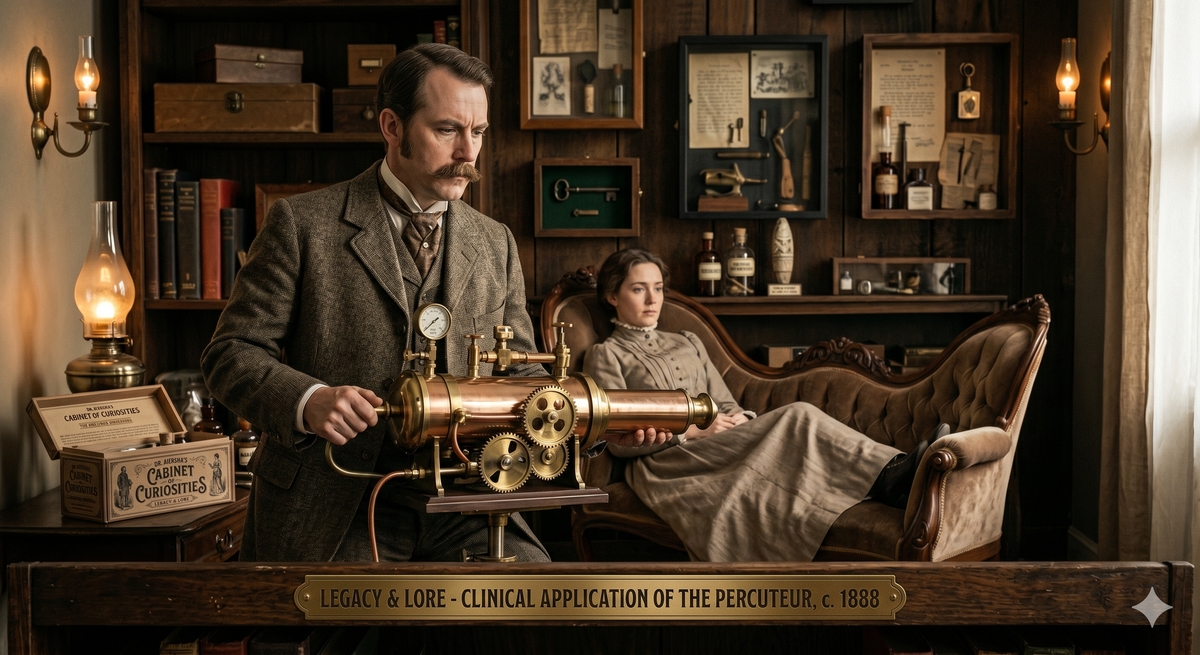
19th-century Victorian doctor using a steam-powered vibrator (Percuteur) for "female hysteria" treatment in a clinical setting
The Diagnosis That Wasn’t: Hysteria and the Birth of a Misunderstanding
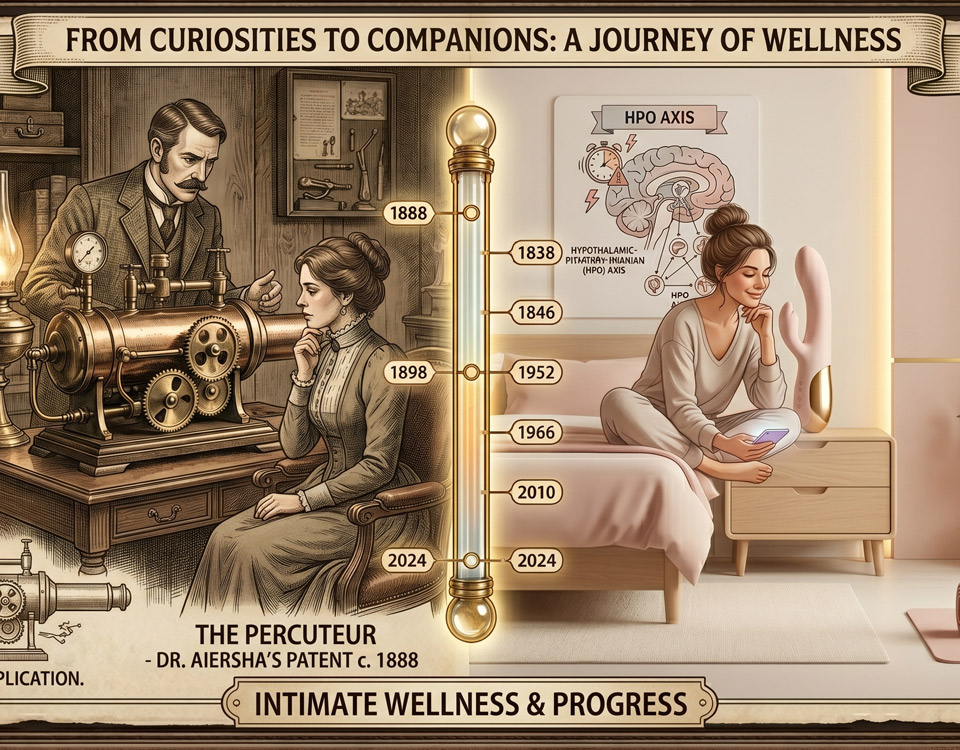
Hysteria was the “it” diagnosis of the 19th century. Women exhibiting symptoms like nervousness, insomnia, or even a strong sex drive were often labeled as “hysterical.” The prescribed treatment? Manual pelvic massage by a physician—a time-consuming and, let’s face it, awkward process. Enter Dr. Joseph Mortimer Granville, a British physician who sought to streamline this “therapy.”
In 1883, Granville invented the first mechanical vibrator, a steam-powered device called the “Percuteur.” Originally designed to relieve muscle tension, it quickly found its off-label use—freeing doctors from the tedious task of manual stimulation. The device was a hit, not because it was pleasurable, but because it was efficient.
The Science of a Sham: Why the Body Needed a “Fix”
Here’s the twist: Hysteria wasn’t a real medical condition. It was a societal construct, a way to pathologize female sexuality and emotions. But the “treatment” worked—because the body responds to stimulation, regardless of the reasoning behind it.
The hypothalamic-pituitary-ovarian (HPO) axis, the same system that regulates desire today, was unknowingly being activated. Vibration increased blood flow, triggered endorphins, and provided relief—not because the women were “sick,” but because their bodies craved stimulation. The vibrator, in essence, was an accidental biohack for well-being.
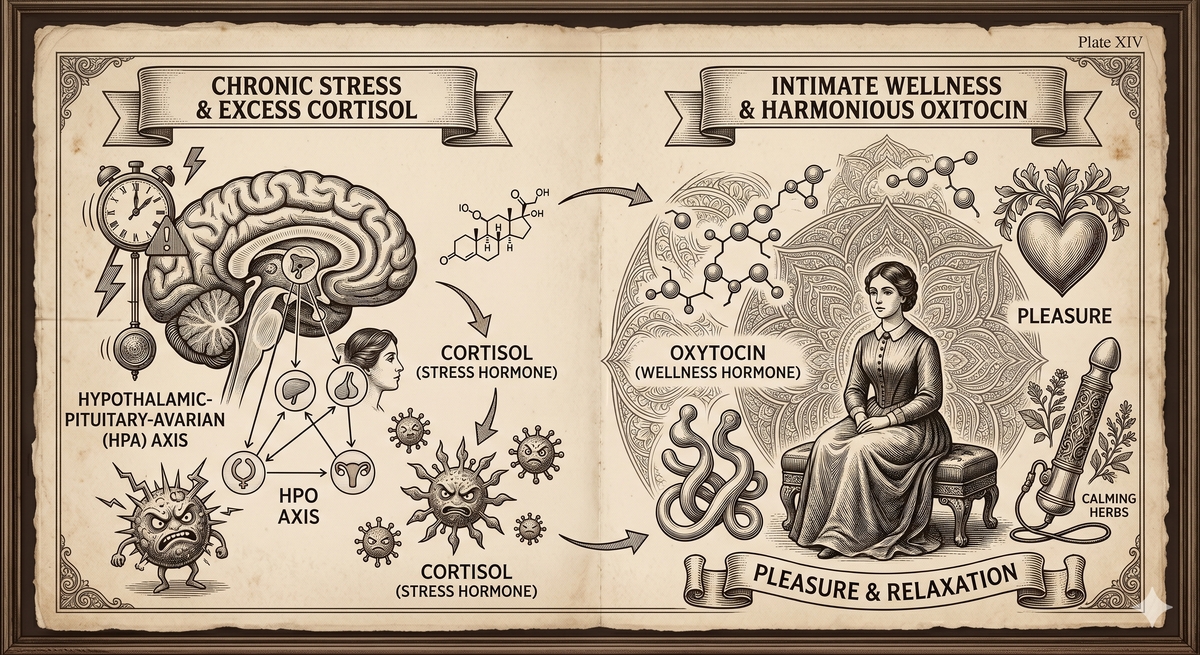
Infographic comparing cortisol (stress hormone) and oxytocin (pleasure hormone) effects on the HPO axis and intimate wellness
The Cortisol Connection: Stress Then and Now
Fast forward to today, and we see a parallel: Chronic stress is the modern “hysteria.” When cortisol (the stress hormone) spikes, it steals resources from sex hormone production—a phenomenon known as the “Pregnenolone Steal.” Your body prioritizes survival over reproduction, and desire takes a backseat.
The solution? Targeted relaxation and stimulation. Just as Granville’s vibrator provided relief for “hysterical” women, modern intimacy tools can help restore balance—by lowering cortisol, boosting oxytocin, and reminding your body that pleasure is part of health.
Expert-Check: The 3 Lessons from History
- Question the Narrative:
Hysteria was a myth, but the need for intimacy was real. Always ask: Who benefits from the story we’re being told? - Efficiency Matters:
From steam-powered to silent and smart—technology should serve our well-being, not complicate it. - Pleasure as Health:
The first vibrator was a medical device. Today, we know: Intimate wellness isn’t a luxury; it’s maintenance for your hormonal and emotional balance.
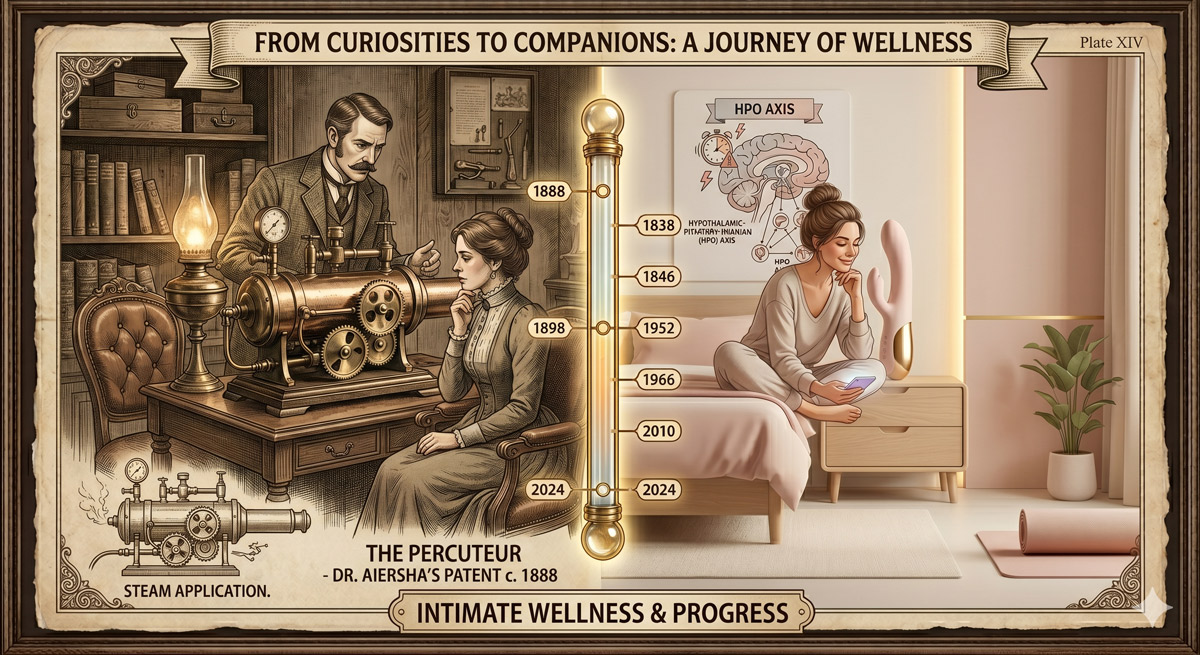
Ready to Rewrite the Story?
The vibrator’s journey from medical tool to modern essential mirrors our own evolution in understanding desire. It’s not about fixing a problem—it’s about embracing a natural part of who we are.
Scientific Validation & Sources:
The Vibrator: A History – Rachel P. Maines’ seminal work on the cultural history of the vibrator: The Technology of Orgasm: "Hysteria", the Vibrator, and the Satisfaction of Women
Endocrine Society – The role of the HPO axis in sexual function: Endocrine Society – Reproductive Endocrinology
Harvard Health – Stress, cortisol, and hormonal balance: How stress affects sexual health