





Hormonal Balance and Libido: The Hidden Directors of Your Well-being
Let’s take a look behind the scenes: Why desire isn't a coincidence, but a precise interplay of chemical messengers.
Let’s be direct: we all know the cliché of the "bedroom slump" that people try to fix with a glass of wine, an expensive dinner, or scented candles. But while romance is great for the mind, the real magic happens within your endocrine system. Libido is not a psychological "extra"; it is a biological indicator of your hormonal health. At Aiersha, we view intimate wellness as an essential part of functional hormone management.

The chemistry of desire: Why your body decides before your mind even notices.
Which hormones really control libido?
Sexual desire is primarily controlled by the Hypothalamic-Pituitary-Gonadal (HPG) axis. The lead actors in this orchestra are testosterone (responsible for drive in all genders), estrogen (crucial for blood flow and sensitivity), and progesterone. An imbalance, caused by chronic stress or nutrient deficiencies, leads to the suppression of this axis – your biological system switches to "power-save mode."
The Cortisol Steal: When stress literally "eats" your desire
A biological cliché that is unfortunately a scientific reality: stress kills libido. In endocrinology, we call this the "Pregnenolone Steal". Since the body creates both cortisol (the stress hormone) and sex hormones from the same basic building block, it prioritizes survival over reproduction in stress mode. If you feel like an overheated laptop in constant operation, your body will stop producing desire-related hormones.
This is where intimate wellness comes in as a biohacking tool: targeted stimulation and relaxation trigger the release of oxytocin, which acts as a natural antagonist to lower cortisol and restore hormonal balance.
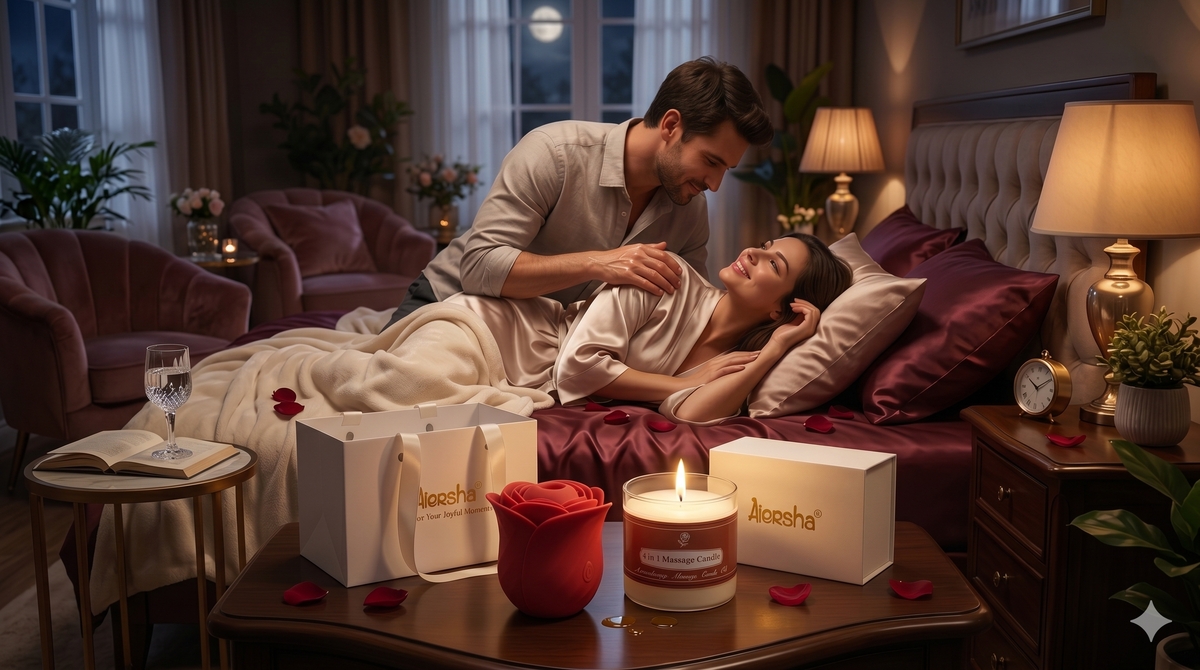
Expert-Check: The 3 Pillars of Your Hormone Optimization
- Circadian Rhythm: Sufficient sleep (deep sleep phases) is the foundation for all testosterone production.
- Micronutrients: Zinc, Magnesium, and Vitamin D are essential co-factors for hormone synthesis.
- Positive Stimulation: Regular intimacy keeps receptor density in the pelvic area high and promotes blood circulation.
Ready for Your Hormonal Balance?
Integrate conscious relaxation and positive stimulation into your daily routine to sustainably lower your cortisol levels and support your well-being.
Scientific Validation & Sources:
- Endocrine Society: Comprehensive guide on hormones and sexual function. [Expert Portal]
- Harvard Health: The science of circulation and hormonal health. [View Source]